For many people who live in cities or suburbs, wind turbines are seen as symbols of clean energy and progress. But for those of us who live in rural communities, the story is far more complicated. When industrial scale wind projects are planned near farms, homes, and quiet countryside areas, the impact goes beyond what most people expect. Rural life is built on open space, natural landscapes, and a close connection to the land. When large turbines arrive, that balance can shift very quickly.
This article explains how wind turbines affect rural communities in ways that are often overlooked from lifestyle and environment to health, farming, and the sense of peace that defines rural living.
The Change in Rural Landscape and Sense of Place
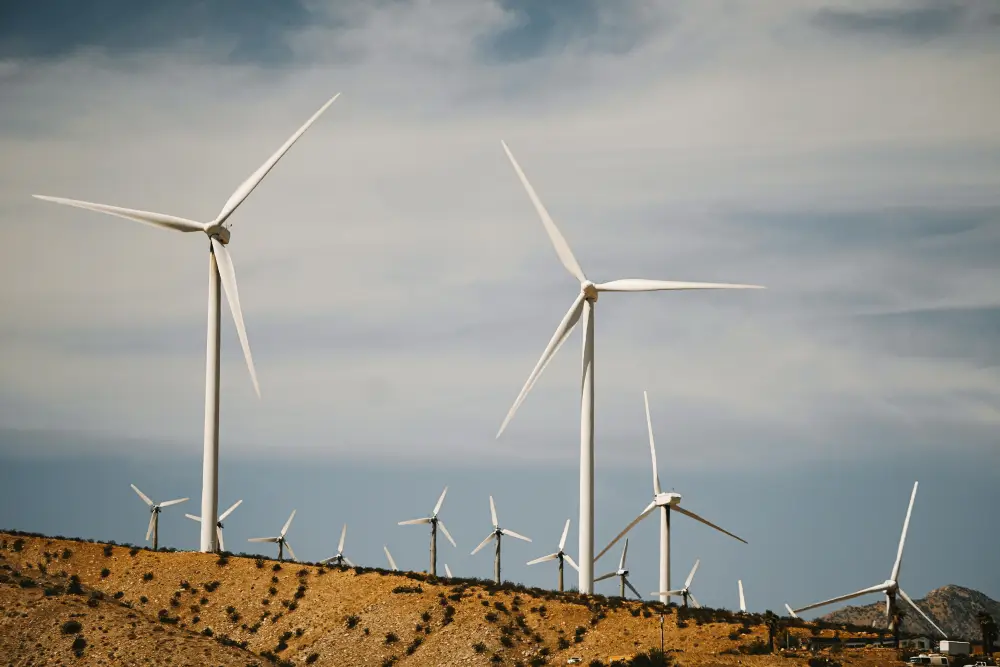
One of the first things rural residents notice is how dramatically turbines change the landscape. These structures are huge often standing hundreds of feet tall and they are visible from miles away. In open farmland or rolling countryside, nothing hides them.
What this means is simple: once turbines arrive, the character of the land is permanently transformed.
For many rural families, the land is not just property. It is heritage, identity, and something passed down through generations. When the view changes so drastically, it can feel like a piece of that heritage is being taken away. The landscape that once felt peaceful and familiar becomes industrial, and residents lose the quiet beauty they once enjoyed every day.
Noise That Travels Farther Than Expected
People who have never lived near a turbine usually assume they are quiet. But in reality, turbines produce continuous sound that can travel long distances, especially across open fields.
Residents often describe it as:
• A low, repeating “whooshing”
• A rhythmic hum that never fully stops
• A mechanical sound that becomes louder in certain weather
What makes this challenging is that rural life is normally quiet. With very little background noise, even a constant low sound becomes hard to ignore. Many residents report difficulty sleeping, trouble enjoying time outside, or a general sense of unrest caused by the never-ending noise.
This is one of the reasons many rural communities push for larger setback distances they simply want the peace and quiet they’ve always had.
Impact on Farming, Livestock, and Daily Work
Wind turbine projects don’t just affect the view or create sound. They change how the land can be used.
Farmers who live near turbine sites often face:
• Disruption during construction — heavy trucks, soil disturbance, and road damage
• Reduced usable farmland — due to turbine bases, access roads, and maintenance areas
• Challenges for livestock — some animals react to noise, movement, or shadows
• Soil compaction — which can affect crop yields for years after installation
Many farmers also worry about having less control over their land. Large wind companies may require long-term contracts sometimes lasting decades which can limit future choices about how the land is used.
This is a major concern for families who rely on their land not only for work but also for long-term stability and planning.
Shadow Flicker and Visual Disruption
Another issue that is often unknown outside rural regions is something called shadow flicker. When the sun is low in the sky and the turbine blades turn, they cast a moving shadow that repeatedly flashes through homes, barns, and yards.
People describe it as:
• Distracting
• Disorienting
• Stressful
• Impossible to ignore while indoors
Shadow flicker can happen for several months of the year depending on turbine placement. For those living closest to turbines, it becomes a daily disturbance that interferes with normal routines.
“When we first heard about the proposed wind turbines near our home, we felt overwhelmed and unheard. Rural Voices Against Wind Turbines helped us understand the facts and guided us through every step. Because of their support, we were able to speak up confidently at the community meeting and protect what matters to us.”
Concerns Around Wildlife, Birds, and Local Environment
Rural communities often feel deeply connected to the natural environment around them the wildlife, the trees, the open sky, and the animals that live on the land. Wind turbines can disrupt that balance.
Common concerns include:
• Loss of natural habitat
• Bird and bat deaths
• Disturbance to nesting and migration patterns
• Increased pressure on local wildlife during construction
While renewable energy is important, rural residents want to make sure the solutions do not come at the cost of the very environments they aim to protect.
Community Division and Social Impact
One of the least discussed impacts of wind turbine projects is how they affect community relationships. When companies approach individual landowners with lease agreements, neighbours can quickly find themselves on opposite sides of an issue.
Some residents may welcome the financial opportunity, while others worry about noise, land disruption, or long-term changes. This can lead to tension between people who have lived side-by-side for decades.
In small communities where everyone knows each other, this division can be painful and long-lasting.
Feeling Left Out of the Decision-Making Process
Many rural residents say the same thing: they feel unheard.
Wind turbine proposals often come from large companies working with government agencies. By the time local residents learn about a project, a lot of planning may already be in motion.
People worry that:
• Their concerns won’t matter
• Their questions won’t be answered
• Decisions will be made without community input
This feeling of powerlessness is one of the main reasons groups like Rural Voices Against Wind Turbines have formed. Their purpose is to make sure rural families have access to facts, support, and a platform to speak out.
Final Thoughts
Wind energy has a place in the world, but so do rural communities. The more we listen to the people who actually live near proposed wind turbine sites, the better we can create solutions that balance energy goals with the protection of rural life.
Understanding the true impact of turbines beyond the surface level benefits helps ensure that rural families are not overlooked as decisions are being made.
Rural voices matter. Rural experiences matter. And with the right support, they can guide a future that respects both the land and the people who call it home.