Wind energy is often promoted as one of the cleanest and most environmentally friendly sources of power. On the surface, that is partly true wind turbines do not produce emissions while operating, and they contribute to reducing reliance on fossil fuels. However, when industrial scale wind turbines are placed in rural communities, the environmental costs become much more complicated than most people realize.
For years, many rural residents believed that wind turbines were harmless additions to the landscape. But as more large developments appear across farmland, bushland, and wildlife corridors, the hidden environmental impacts are becoming harder to ignore. This blog takes a clear look at those impacts, offering a perspective that is frequently missing from mainstream discussions.
The Environmental Footprint Begins Long Before Turbines Start Spinning
People often imagine wind turbines as simple, elegant structures rising from the ground but the reality is far more industrial. Before a turbine is even installed, the land must be cleared, roads must be built, and massive foundations must be dug.
Each foundation can require hundreds of tons of concrete and steel, leaving a permanent mark on the land. These materials remain underground even if the turbine is later removed, meaning the natural environment never fully recovers.
The machinery used for construction cranes, trucks, and drilling equipment further compacts soil, disturbs vegetation, and disrupts the natural drainage patterns of rural land. This is especially concerning for farming regions where soil health directly impacts local food production.
Damage to Wildlife Habitats and Migration Routes
One of the most overlooked environmental costs of large wind farms is the impact on wildlife. Birds and bats are often mentioned, but the disruption goes much further than that.
Wind turbine construction frequently involves clearing native vegetation, fragmenting habitats, and disturbing breeding areas. Species that rely on uninterrupted landscapes such as ground-nesting birds, small mammals, and certain reptiles may be pushed out of their territory entirely.
Bats are particularly vulnerable because turbine blades create sudden pressure changes that can cause internal injuries, even without direct contact. This has led to declining bat populations in regions with significant wind development.
Migratory birds also face increased risk when turbines are placed along migration paths. What appears to be a clean-energy project can become an obstacle course for species already challenged by climate change, habitat loss, and urban expansion.
The Problem of Bird and Bat Fatalities
Wind companies often downplay bird and bat deaths, but local residents know the truth: these fatalities are real, frequent, and mostly unreported.
Large raptors such as eagles, hawks, and owls are especially at risk. These birds rely on air currents that occur at the same height turbines operate. Because they focus on hunting and scanning the ground rather than looking forward, they often never see the blades coming.
Bats fare even worse. Studies show turbines are one of the leading human-related causes of bat mortality worldwide. Bats are essential for controlling insects and maintaining healthy ecosystems yet their decline rarely makes headlines.
For rural communities, watching local wildlife disappear is heartbreaking and alarming.
Soil Disturbance and Long-Term Land Degradation
Rural land is delicate, even when it appears rugged and untouched. The soil structure that supports crops, trees, and natural grasses can be heavily affected by industrial wind construction.
Here is how turbines affect soil:
Heavy machinery compacts topsoil, reducing its ability to absorb water
Access roads redirect natural drainage, increasing erosion
Foundation pits disturb soil layers, affecting fertility
Chemical runoff from lubricants and machinery can contaminate nearby waterways
For farmers, this can lead to reduced yields and long-term damage to fields they rely on. For those living near project sites, it can mean increased flooding or changes in groundwater behaviour.
These impacts remain long after construction ends.
“We reached out to Rural Voices Against Wind Turbines after learning a large turbine project was planned near our property. They responded immediately, explained everything clearly, and guided us through how to raise our concerns. Their support made all the difference we finally felt heard.”
Shadow Flicker and Noise Also Affect Wildlife
Many people assume that when a wind turbine reaches the end of its life often around 20–25 years the land will be restored to its original condition. Unfortunately, this is rarely the case.
Even when turbines are removed:
Most concrete foundations remain buried
Access roads often stay in place
Soil layers may never recover
Turbine blades, which are not recyclable, are often buried in large landfill pits
These blades can take centuries to break down. So while the turbines themselves may produce clean energy, the waste they leave behind poses long-term environmental challenges.
The Industrialization of Rural Landscapes
Perhaps the most overlooked environmental impact is the overall shift from natural or agricultural land to industrial infrastructure.
Wind farms require:
Miles of access roads
Transmission lines
Substations
Maintenance routes
Lighting
Onsite construction zones
This level of development changes rural landscapes permanently, making once-pristine areas look and function more like industrial sites.
This not only affects the environment but also impacts how residents feel about their home, their heritage, and their relationship with the land.
Why These Impacts Must Be Discussed Honestly
Renewable energy is important, but honesty is equally important. Rural communities deserve transparency about the environmental costs associated with large wind turbines. Many people support cleaner energy solutions but they do not want those solutions to cause harm to local wildlife, farmland, water systems, or ecosystems.
The conversation should not be “wind energy vs. fossil fuels.” It should be:
How do we move forward responsibly, without sacrificing rural communities and natural environments?
The more people understand these hidden impacts, the more likely it is that decision makers will slow down, listen, and involve local residents in the planning process.
Final Thoughts
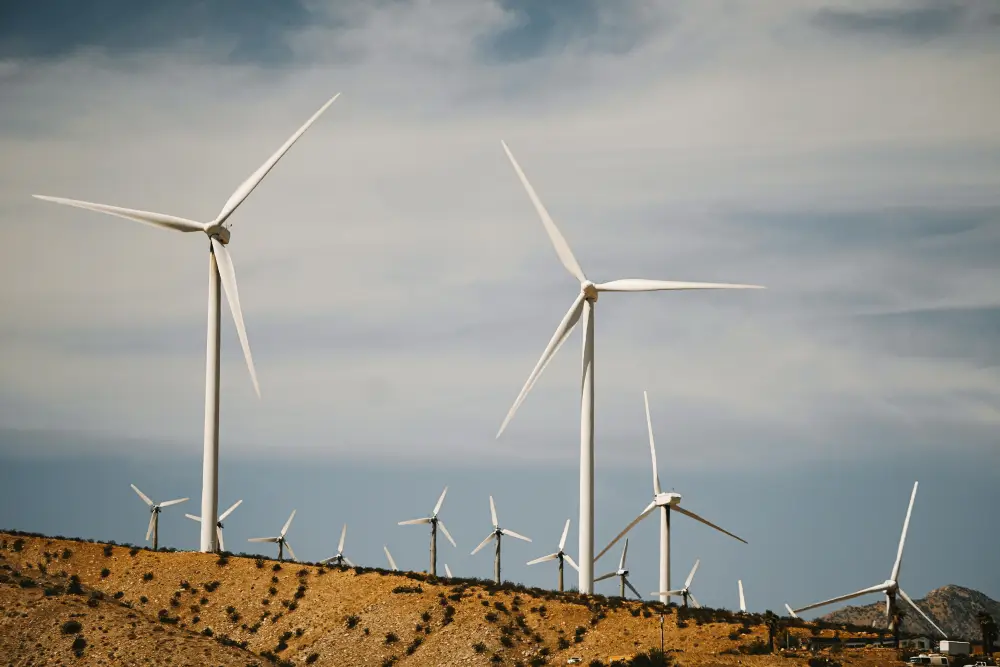
Wind turbines are not as harmless as they appear. Behind the smooth white blades and the image of clean energy lies a complex set of environmental consequences many of which fall heavily on rural regions.
From soil disturbance and habitat loss to wildlife deaths and landscape changes, the environmental cost is real and often permanent. Rural voices are essential in ensuring these issues are acknowledged, respected, and addressed.
When we understand all the impacts not just the benefits we can work toward solutions that truly respect the land and the people who depend on it.