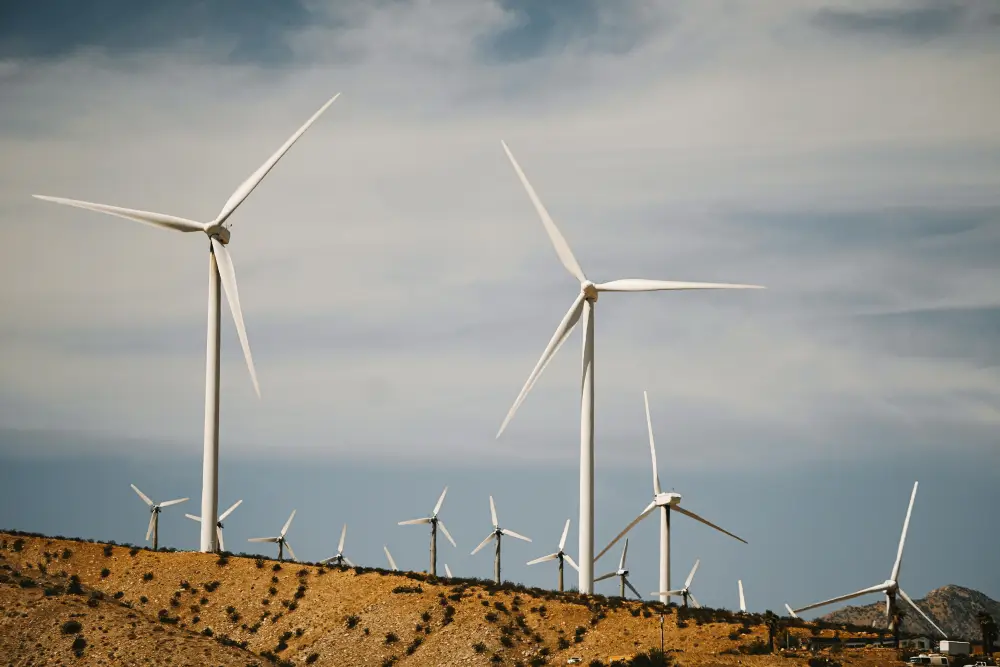
When wind companies approach rural landowners with turbine contracts, the offer can seem straightforward: earn steady income by allowing a turbine or access road on your property. But behind the promise of financial gain is a long list of obligations, restrictions, and hidden risks that many landowners only discover years later.
Wind turbine agreements are legally binding, long-term contracts often lasting 20 to 50 years and once signed, they are extremely difficult to reverse. Before committing to anything, landowners should fully understand what they are giving up, what they are responsible for, and how the project may affect their land, neighbours, and long-term property value.
This guide breaks down the most important things every rural landowner needs to know before signing a turbine lease.
1. Turbine Contracts Last for Decades and They Outlive Market Changes
Many landowners don’t realize how long turbine contracts last. A standard lease can bind the property for:
A development period (2–5 years)
A construction period
An operational phase (20–30 years)
Optional renewal periods (5–20 additional years)
This means the agreement may control your land for 50 years or more.
During that time:
You cannot freely sell land without the buyer accepting the contract.
You may be restricted from building structures or planting certain crops.
Your land use rights become secondary to the company’s operational needs.
It is important to understand that turbine leases are written to benefit the developer not the landowner.
2. Your Property Value May Decline
While some companies claim turbines do not affect property values, many rural residents report the opposite. Homes near turbines often experience:
Lower resale value
Fewer interested buyers
Delayed sales
Reduced desirability due to noise, flicker, or visual impact
If the turbine or access road sits on your land, future buyers are also legally bound by the same contract. This can make it difficult to sell or refinance the property later.
Before signing, it’s essential to ask:
How will this contract affect my land’s long-term value?
3. Noise, Shadow Flicker, and Visual Impact Are Real and Long-Lasting
Even if the turbine isn’t placed directly beside your home, its impact extends far across your property. Many landowners are surprised by:
Noise
Low-frequency noise and constant blade rotation can carry across fields, especially at night.
Shadow Flicker
Turbines cast moving shadows through windows, barns, and outdoor areas for certain parts of the year — sometimes for hours at a time.
Visual Changes
Once a turbine is installed, the rural landscape transforms from natural to industrial. This visual change is permanent for the life of the contract.
These impacts may seem small at first, but they accumulate over years and can significantly alter your quality of life.
4. You May Be Responsible for More Than You Expect
Contracts often shift responsibility and liability to the landowner without making it obvious. Common hidden obligations include:
Damage to crops or soil during construction
Road maintenance or use restrictions
Liability for injuries that happen on certain parts of the leased land
Restrictions on farming practices
Interference with hunting, livestock, or irrigation
Always read the fine print and never assume the company is responsible for restoring your land to its original condition.
“When we learned a wind turbine was planned near our home, we didn’t know where to start. Rural Voices Against Wind Turbines stepped in immediately with clear information and guidance. Their support helped us take action with confidence.”
5. The “Decommissioning Promise” Is Often Weak or Unenforceable
Many contracts say the company will remove the turbine at the end of its life. But removal rarely returns the land to how it was before.
Typically:
The massive concrete foundation stays buried
Soil is permanently compacted
Roads remain even if unused
Turbine blades, which are not recyclable, are buried in landfills
Some contracts even allow companies to walk away if the project becomes unprofitable leaving landowners responsible for cleanup costs.
Before signing, landowners must ask for a strong, legally enforceable decommissioning plan backed by a bond or financial assurance.
6. You Are Often Restricted From Speaking Out
Many turbine contracts include confidentiality clauses. These can prevent landowners from:
Sharing contract details
Discussing payments
Talking publicly about negative experiences
Warning neighbours about risks
Landowners may unknowingly sign away their right to speak about what happens on their own land.
If a clause prevents transparency, it should raise a red flag.
7. Turbine Projects Can Create Tension With Neighbours
When one landowner signs and another refuses, rural communities can become divided. Your decision may affect:
Neighbouring property values
Local wildlife movement
Noise and shadow flicker zones
Future land-use planning
A single contract on one farm can directly affect families who live miles away. Open conversations with neighbours are essential before making any commitments.
8. The Upfront Payment May Not Be Worth the Long-Term Cost
Wind companies often present contracts as an easy source of income. However:
Payments may decrease over time
Compensation rarely covers land-value loss
Crop damage often exceeds payment amounts
Additional turbines may be added later under the same contract
What seems like a guaranteed income can end up costing much more in the long run.
Before signing, landowners should ask:
Does this payment truly compensate for lifetime land changes and risks?
9. Always Get Independent Legal and Financial Advice
Wind companies often present contracts as standard, simple, and non-negotiable. But you should always:
Take the contract to an independent lawyer
Consult a financial advisor
Ask questions about liabilities, taxes, and land use
Request clarity for every unclear clause
Do not rely on the company’s explanation. Their goal is to secure land not protect your interests.
Final Thoughts: Know Your Rights Before You Sign
A turbine lease is one of the most significant legal decisions a rural landowner can make. It affects your lifestyle, your neighbours, your land, and your long-term financial future.
Wind companies will highlight the benefits but rural landowners must understand the risks.
Before signing:
Ask questions
Seek legal advice
Talk to neighbours
Look at long-term impacts
Protect your land and your future
Your land is more than a business asset it is part of your heritage and identity. Taking time to understand the full picture ensures you make a decision that honours both.